6 min read
When Your Portfolio Starts Editing You
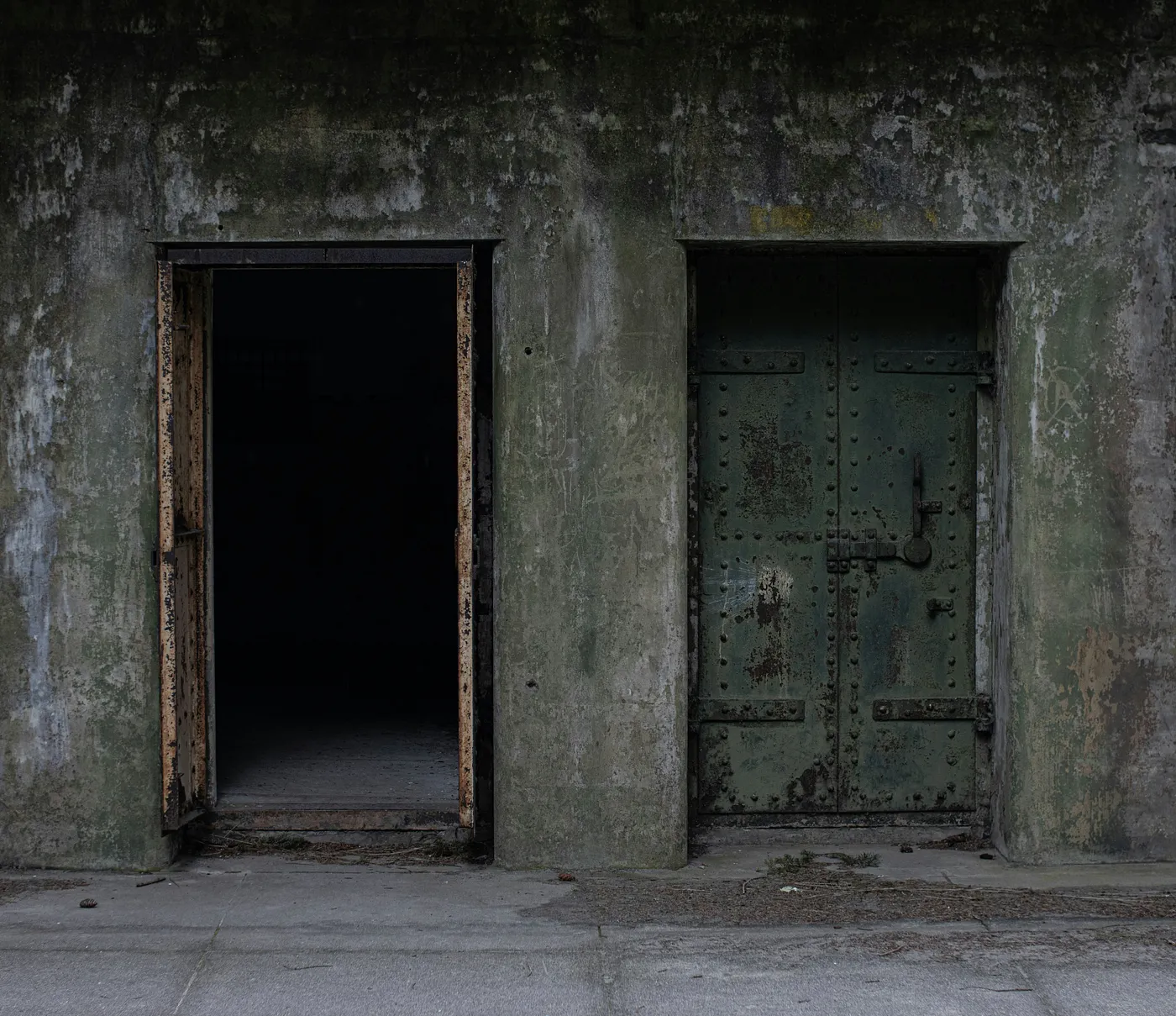
At some point, portfolio work stops being something you do.
It becomes something that watches you.
It dictates how you describe your past — what you emphasize, what you quietly erase, and which version of yourself feels “appropriate” to show.
The portfolio no longer documents your work.
It starts shaping it retroactively.
When maintenance replaces progress
There’s a moment when portfolio work turns from a temporary effort into a constant background task.
You’re never quite done. There’s always something to update, rewrite, refine, or reframe. Not because the work is unfinished — but because expectations keep shifting.
The portfolio becomes a living object that demands maintenance.
Maintenance rarely feels like progress.
Designing for an invisible audience
What makes this especially draining is that the audience is abstract.
You don’t know who will see your work, what they care about, how much time they’ll spend, which part will be skimmed, misunderstood, or ignored.
So you design defensively.
You anticipate objections. You pre-explain. You simplify. You polish away ambiguity.
Not because ambiguity is bad — but because ambiguity feels risky.
And risk has no place on the homepage.
The quiet narrowing
At some point, clarity becomes a cage.
You stop asking what you want to make visible and start asking what is safest to show.
The portfolio begins to narrow your thinking. Not intentionally. Not maliciously. Just gradually.
First, the work that doesn’t fit clean narratives disappears.
Then, the kind that’s harder to explain.
Then, the pieces you’re not sure how to defend.
What remains is legible. Presentable. Acceptable.
And often, it no longer sounds like you.
A tool that demands emotional loyalty
Portfolio work asks for more than time. It asks for belief, for patience, for restraint. It asks you to keep trusting that this representation of yourself — this curated, compressed, carefully phrased version — will eventually be enough.
And when it isn’t, the question quietly turns inward.
Not Is this system reasonable?
But What am I missing?
When the portfolio becomes the measure
At its most extreme, the portfolio stops being a tool altogether.
It becomes a verdict.
It decides whether your experience counts, whether your thinking is “clear enough,” whether your past work is still relevant.
It stands in for conversations that never happen, for context that never arrives, for trust that’s never established.
You’re left negotiating with a reflection that only mirrors back your doubt.
No resolution, just recognition
This is what portfolios have quietly become.
A parallel job. A permanent audition. A structure that asks designers to keep proving themselves — even when the work itself hasn’t changed.
At some point, a designer becomes a hostage of their own portfolio.
It takes your time. And your soul.
And in the end, it either sells you — or quietly buries you.
An open question
What would a portfolio look like — if it didn’t ask for permission?
And what happens to the parts of design work — and of designers — that refuse to fit?