9 min read
Portfolios and the Exhaustion We Pretend Is Personal
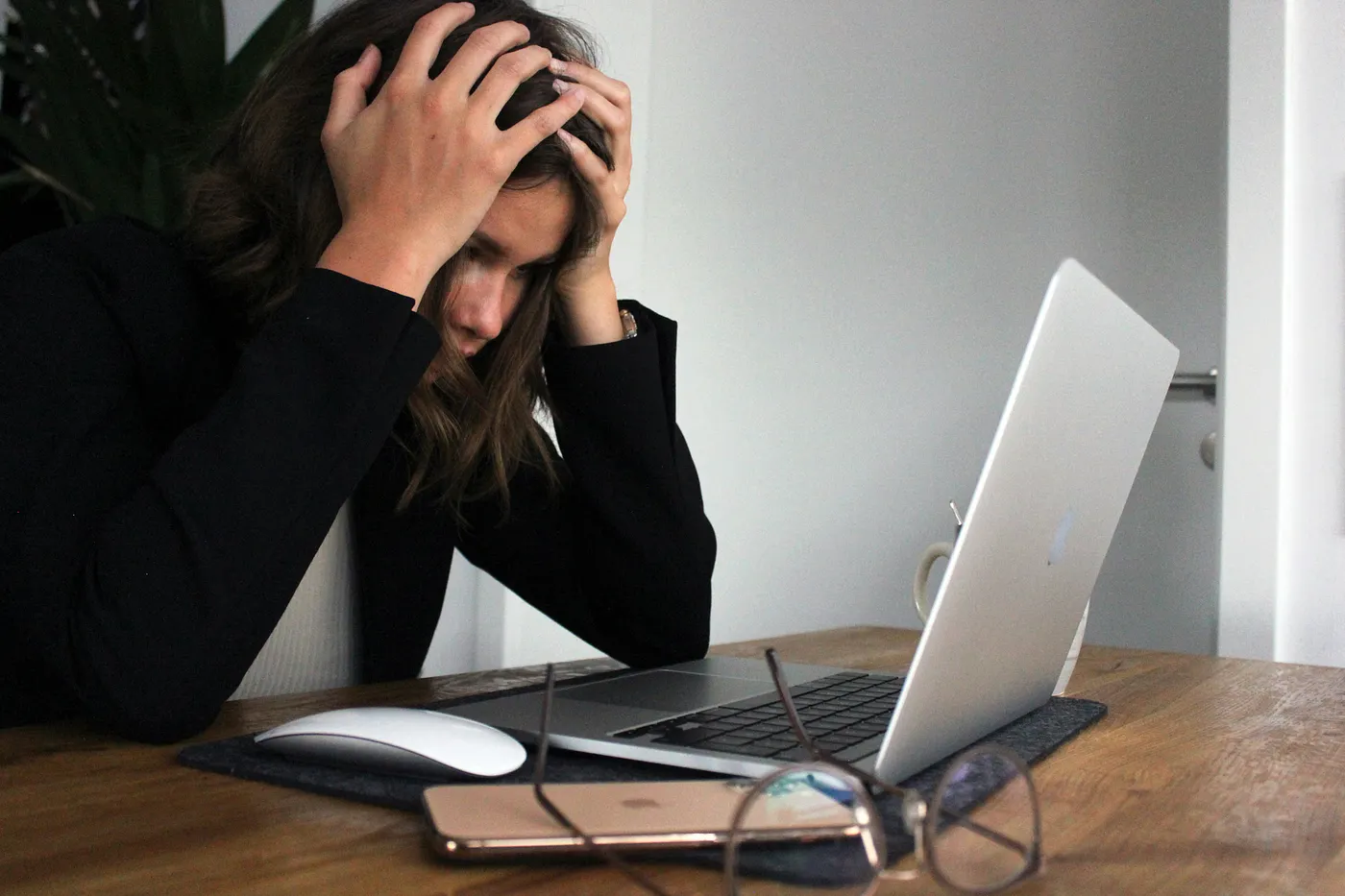
There are two dominant tones surrounding portfolio work.
One is calm, encouraging, forward-looking: stay positive, focus on growth, trust the process. The other is sharper, more pragmatic — and far less patient: why are you explaining when you should be showing, and why are you showing when you could have explained this faster?
There is no shared agreement on what a “good” portfolio should actually look like. Only shifting expectations, often contradicting each other.
Anyone who has worked in the service industry will recognize this logic.
The client is always right — in matters of taste.
If you didn’t know the second part yet, consider this a small act of self-preservation. It might save you a few neurons.
Reflection is not the same as stagnation
When designers spend months working on their portfolios, it’s often framed as a lack of momentum — as if nothing is happening, as if they’re “between things.” In reality, a lot is happening. It just doesn’t produce screenshots.
Revisiting past work takes effort. Reframing decisions takes time. Sitting with uncertainty takes emotional energy. Reflection is work — it simply doesn’t look productive from the outside, so it’s easy to treat it as a pause rather than labor.
The pressure to sound fine
There’s also an unspoken expectation to sound okay while doing all of this: tired, but motivated; uncertain, but optimistic; burned out, but still “excited about new opportunities.” You’re allowed to be struggling — as long as you don’t sound like it.
Anything more honest risks being labeled as negativity, or worse, as a lack of resilience. So many designers learn to translate their exhaustion into neutral language. Or into silence.
Positivity as a requirement
This pressure doesn’t exist in isolation. The design market has become more volatile and less predictable. Roles expand faster than titles change. Expectations shift without being clearly stated. Tools promise speed, but rarely create space.
In that context, emotional regulation quietly turns into a professional skill. You’re expected to adapt without friction, stay flexible without sounding lost, and reflect — but never long enough for it to look like hesitation. Positivity stops being support and starts functioning as a signal: I’m ready, I’m stable, I can handle this.
Stability as performance
There’s another contradiction built into the role. Designers are expected to appear grounded and emotionally stable while actively trying to prove their value. You’re supposed to be confident, but not defensive; flexible, but not unsure; passionate, but not too invested — all while competing for attention, legitimacy, and trust.
And even after you’re hired, the performance doesn’t really end. A significant part of the job becomes defending decisions: explaining why certain choices matter, why research wasn’t optional, why design isn’t just “how it looks.” Often, this happens in environments where design priorities are already secondary — or tertiary — or quietly deprioritized the moment timelines tighten.
So designers are asked to stay calm and collaborative while repeatedly justifying the importance of their work. That kind of emotional labor rarely shows up in job descriptions, but it shapes the experience more than most tools or processes ever will.
Quiet burnout looks very reasonable
The burnout that comes from this process is rarely dramatic. It doesn’t look like collapse. It looks like endless tweaking, another rewrite, another attempt to sound clearer, calmer, more convincing. It looks responsible. It looks professional.
And that’s why it’s so easy to miss — even for the people experiencing it.
Press enter or click to view image in full size
Nothing to fix, just something to recognize
This isn’t a call to reject portfolios, stop caring, or opt out of the system entirely. It’s simply an observation: a significant amount of emotional work is happening quietly, under a layer of reasonable expectations and polite language. Work that rarely has a name, rarely gets acknowledged, but steadily consumes attention, energy, and self-trust.
Naming it doesn’t make it disappear. But it can make it tangible. It can give shape to a kind of exhaustion that often feels vague and personal — as if something is wrong with you, rather than with the conditions you’re operating in. And sometimes, recognizing where the energy actually goes is the first moment of relief.
An open question
If designers are expected to stay positive and stable while constantly proving their value — and defending work whose importance is often questioned — where is the space for honesty that doesn’t need to be immediately reframed into motivation?